
Il periodo migliore per visitare Firenze: una guida stagione per stagione
Il periodo migliore per visitare Firenze è la tarda primavera (aprile-maggio) o l’inizio dell’autunno (settembre-ottobre), quando le temperature sono miti, c’è meno affollamento rispetto all’estate e le code ai musei sono più gestibili. L’estate offre l’atmosfera più vivace, ma anche il caldo più intenso, i prezzi più alti e il maggior affollamento; l’inverno è il periodo più tranquillo e ideale per godersi un ritmo più rilassato e autentico.
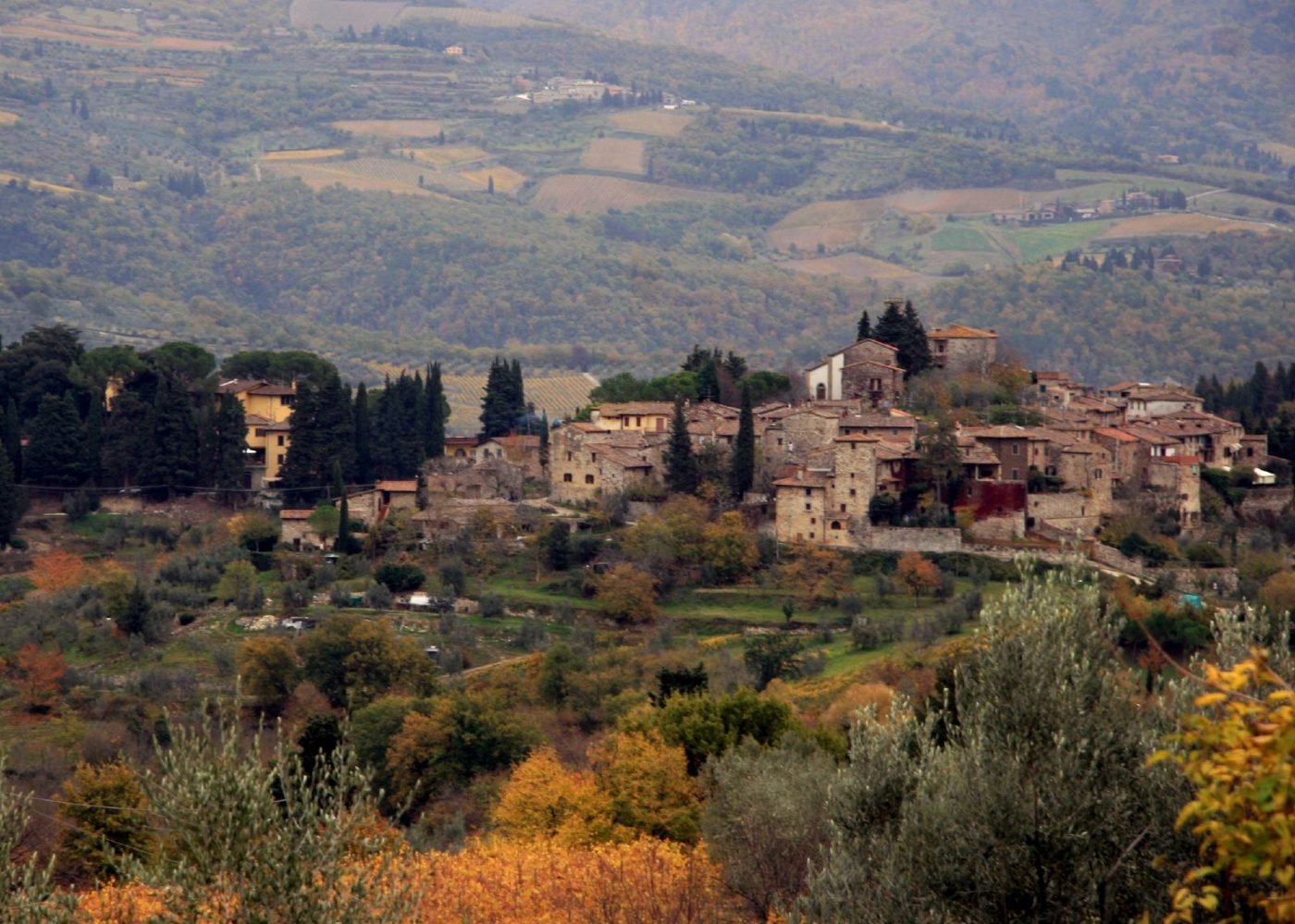
Primavera e autunno: la scelta degli intenditori
Da aprile a maggio e da settembre a ottobre le temperature sono miti, c’è meno affollamento rispetto all’estate e si gode di quella luce soffusa che attira i fotografi — un periodo che i visitatori più esperti considerano il momento migliore per ammirare le bellezze di Firenze. I vigneti nei dintorni Chianti I paesaggi di campagna sono particolarmente suggestivi in questi mesi, sia in primavera, quando le piante germogliano, sia in autunno, quando i colori cambiano in vista della vendemmia.
L'estate: vivace, ma impegnativa
Da giugno ad agosto le giornate sono lunghe e le piazze animate, ma c’è anche un caldo che supera spesso i 30 °C, tanta gente e i prezzi più alti dell’anno, soprattutto nei pressi dei principali luoghi di interesse come il Duomo e Uffizi. In questo periodo dell'anno, le visite ai musei di prima mattina e gli ingressi a orario prestabilito prenotati in anticipo diventano indispensabili, piuttosto che facoltativi.
Se viaggi in alta stagione, vale la pena dare la priorità all’accesso senza fila: questo Visita guidata in piccoli gruppi alla Galleria degli Uffizi con accesso al Corridoio del Vasari ti permette di evitare le code più lunghe dell’estate ed è un’alternativa sensata se in questo viaggio non stai cercando un itinerario su misura.
Inverno: una Firenze più tranquilla e intima
Da novembre a febbraio, Firenze mostra il suo lato più tranquillo: code più brevi, una luce più soffusa nei musei e un’atmosfera decisamente più locale durante le festività di dicembre e gennaio. Le temperature sono fresche (spesso tra i 5 e i 12 °C) e piove più spesso, ma per chi torna a visitarla o per chi preferisce l’arte al tempo, questa è spesso la stagione più gratificante.
La stagione cambia i tuoi programmi?
Sì. La primavera e l’autunno sono perfetti per alternare visite in città a gite di un giorno in Toscana — dai un’occhiata alla nostra guida su quanti giorni trascorrere a Firenze Per quanto riguarda il ritmo. L’estate premia chi si alza presto e prenota tutto in anticipo; l’inverno invece favorisce itinerari ricchi di visite ai musei e lunghi pranzi senza fretta, piuttosto che lunghe giornate all’aria aperta.
Domande frequenti
Qual è il mese migliore per visitare Firenze?
Maggio e settembre sono generalmente considerati i mesi ideali, perché offrono un clima piacevole e un’affluenza più gestibile rispetto al pieno periodo estivo.
Vale la pena visitare Firenze in inverno?
Sì — l’inverno offre code più brevi, una luce più soffusa per visitare i musei e un’atmosfera più locale e rilassata, particolarmente attraente per chi torna a visitarla.
Quando c'è più gente a Firenze?
Luglio e agosto sono i mesi più affollati, in coincidenza con le vacanze estive europee e con i prezzi degli hotel più alti dell’anno.
Fa troppo caldo per visitare Firenze d’estate?
Il caldo può diventare davvero insopportabile se passi troppo tempo all’aperto a visitare la città, con temperature che a luglio e agosto superano spesso i 30 °C: la mattina e la sera sono più piacevoli rispetto a mezzogiorno.
Il tempo a Firenze influisce sulle visite ai musei?
Non direttamente, visto che i musei più importanti sono al chiuso, ma sia le code più lunghe d’estate che le ore di luce più brevi d’inverno influiscono su come dovresti organizzare la tua giornata.
Il nostro concierge adatta ogni itinerario alla stagione, assicurandoti di vivere Firenze nel modo migliore, in qualunque momento tu decida di partire — scopri come viene organizzato un tour su misura.
Ti serve una guida da portare con te? Questo Guida turistica di Firenze e della Toscana su Amazon è un pratico strumento per pianificare il tuo itinerario in città.
In qualità di affiliato Amazon, ricevo una commissione dagli acquisti idonei.




 Italiano
  English
  日本語
日本語  العربية