
Florence’s Luck Trail: Legends, Rites & Lucky Places Guide
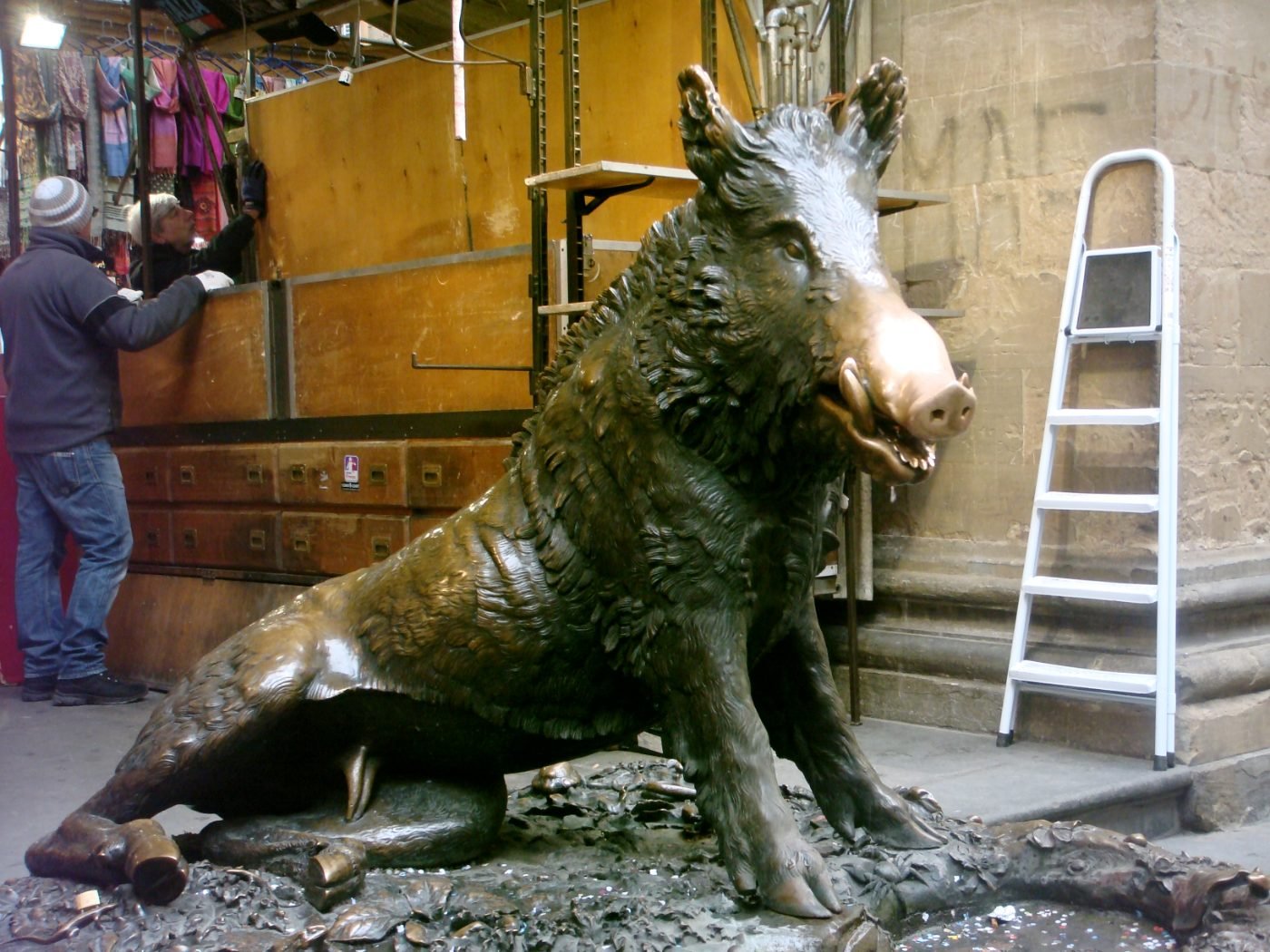
There is a small ritual every Florentine performs, one every discerning guest should learn before stepping out for the day: resting a hand on the bronze snout of Il Porcellino and letting fortune decide to walk beside you for the rest of your stay. Florence is far more than the cradle of the Renaissance — across the centuries, the city has woven a rich tapestry of rites, legends and quiet superstitions, passed from one generation to the next. In this guide, we accompany you, as a trusted concierge would, through the places where good fortune has left its deepest mark.
Why Florence and fortune have always been intertwined
In Renaissance Florence, the line between science, art and superstition was remarkably thin: astrologers consulted by the Medici, esoteric symbols carved into façades, propitiatory rituals tied to trade and marriage. This layered heritage is documented in detail on Florence’s Wikipedia entry and in the city’s historical archives, and it still survives today in a handful of places Florentines consider particularly auspicious.
The places that open our journey into Florentine fortune
Across this guide, we will walk you through four distinct facets of Florence’s relationship with luck:
- Monuments and their legends: from Ponte Vecchio to Il Porcellino, the stone and bronze landmarks to which Florentines still entrust a wish.
- Sacred places: churches and chapels where popular devotion has long intertwined with rites of protection and blessing.
- Everyday traditions and small rituals: the quiet superstitious gestures every Florentine performs without a second thought.
- Lucky craftsmanship: the historic workshops where Tuscany’s traditional talismans — from the red cornicello to hand-carved horseshoes — are still made today.
Frequently asked questions about luck in Florence
What is Florence’s most famous symbol of good luck?
Il Porcellino, the bronze fountain shaped like a wild boar in Mercato Nuovo. Tradition holds that stroking its snout and letting a coin drop from its mouth through the grate below brings good fortune.
Are there other superstitious rites tied to Florence’s monuments?
Yes: crossing Ponte Vecchio at sunset, or touching certain statues and threshold stones in a handful of churches, are customs rooted in local folklore, many tracing back to medieval legends.
Allow us to guide you, one place at a time, through these special corners of the city — our private concierge is on hand to craft a bespoke itinerary that weaves together art, history and a touch of Florentine luck.
Prefer a private route through this story instead? Our tailored private tours can be shaped around Florence’s folklore and hidden corners, paced and narrated for you specifically — or, if a bespoke itinerary isn’t what you need right now, the ready-made option below is a dependable alternative.
Continue the story in person: this highly-rated small-group Uffizi Gallery tour with Vasari Corridor access is one of the best ways to see the art and history of Florence up close — and a practical choice if a fully custom itinerary isn’t in your budget this time.
Want a guidebook to take with you? This Florence & Tuscany travel guide on Amazon is a handy companion for planning your own route through the city.
As an Amazon Associate I earn from qualifying purchases.
This is part of a wider thread of Florentine luck and folklore — continue with the craft of the Florentine cornicello charm or Il Porcellino and Ponte Vecchio, Florence’s luckiest landmarks.

 English
  Italiano
  日本語
日本語  العربية