
Florentine Lucky Charms: The Craft of the Cornicello
Long after the museums close, Florence’s artisan workshops keep a quieter tradition alive — the handcrafting of the small talismans Tuscans have carried in their pockets for generations.
The cornicello: Florence’s red horn of plenty
Shaped like a twisted chilli pepper or animal horn and traditionally rendered in red coral or, today, red glass, the cornicello is one of southern Europe’s oldest good-luck charms. Its form is thought to descend from ancient fertility and protection symbols, a lineage discussed in depth in studies of Italian amulet traditions. Several historic Florentine goldsmiths on and around Ponte Vecchio still craft them by hand.
Hand-forged horseshoes and iron charms
Florence’s ironworking tradition, tied historically to its guilds, produced not only gates and lanterns but small decorative horseshoes — hung, by custom, with the open end facing upward “to hold the luck in.”
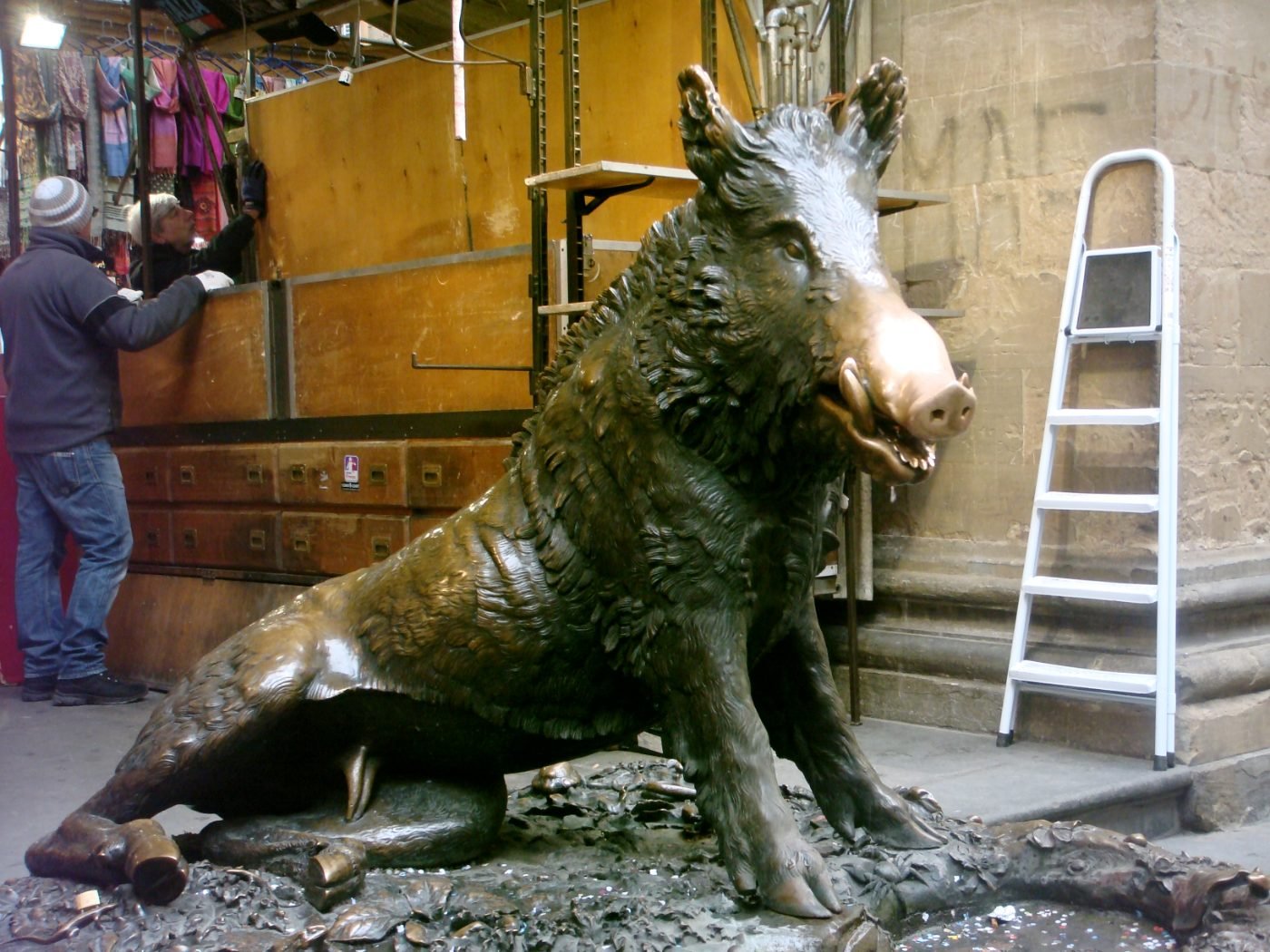
This is part of a wider thread of Florentine luck and folklore — continue with the full guide to Florence’s lucky places and rites or Il Porcellino and Ponte Vecchio, Florence’s luckiest landmarks.
Frequently asked questions
What is a cornicello and what does it symbolise?
A traditional Italian amulet shaped like a twisted horn, historically believed to protect against bad luck and the “evil eye,” commonly crafted in red coral or glass.
Where can I find genuine handcrafted charms in Florence?
A handful of historic goldsmiths near Ponte Vecchio still produce cornicelli and other traditional charms using techniques passed down through generations.
Our concierge can arrange a private visit to one of these historic workshops — a rare chance to watch a centuries-old craft, and perhaps bring home a talisman of your own.
Prefer a private route through this story instead? Our tailored private tours can be shaped around Florence’s folklore and hidden corners, paced and narrated for you specifically — or, if a bespoke itinerary isn’t what you need right now, the ready-made option below is a dependable alternative.
Continue the story in person: this highly-rated small-group Uffizi Gallery tour with Vasari Corridor access is one of the best ways to see the art and history of Florence up close — and a practical choice if a fully custom itinerary isn’t in your budget this time.
Want a guidebook to take with you? This Florence & Tuscany travel guide on Amazon is a handy companion for planning your own route through the city.
As an Amazon Associate I earn from qualifying purchases.

 English
  Italiano
  日本語
日本語  العربية