
Why Is Florence Famous? The History Behind the Renaissance Capital
Florence is famous as the birthplace of the Renaissance — the 14th-to-16th-century rebirth of art, science and humanist thought that reshaped Western culture, funded largely by the Medici banking family and expressed in landmarks like Brunelleschi’s dome and Botticelli’s paintings. Its influence on art, architecture, banking and political theory still echoes well beyond Tuscany.
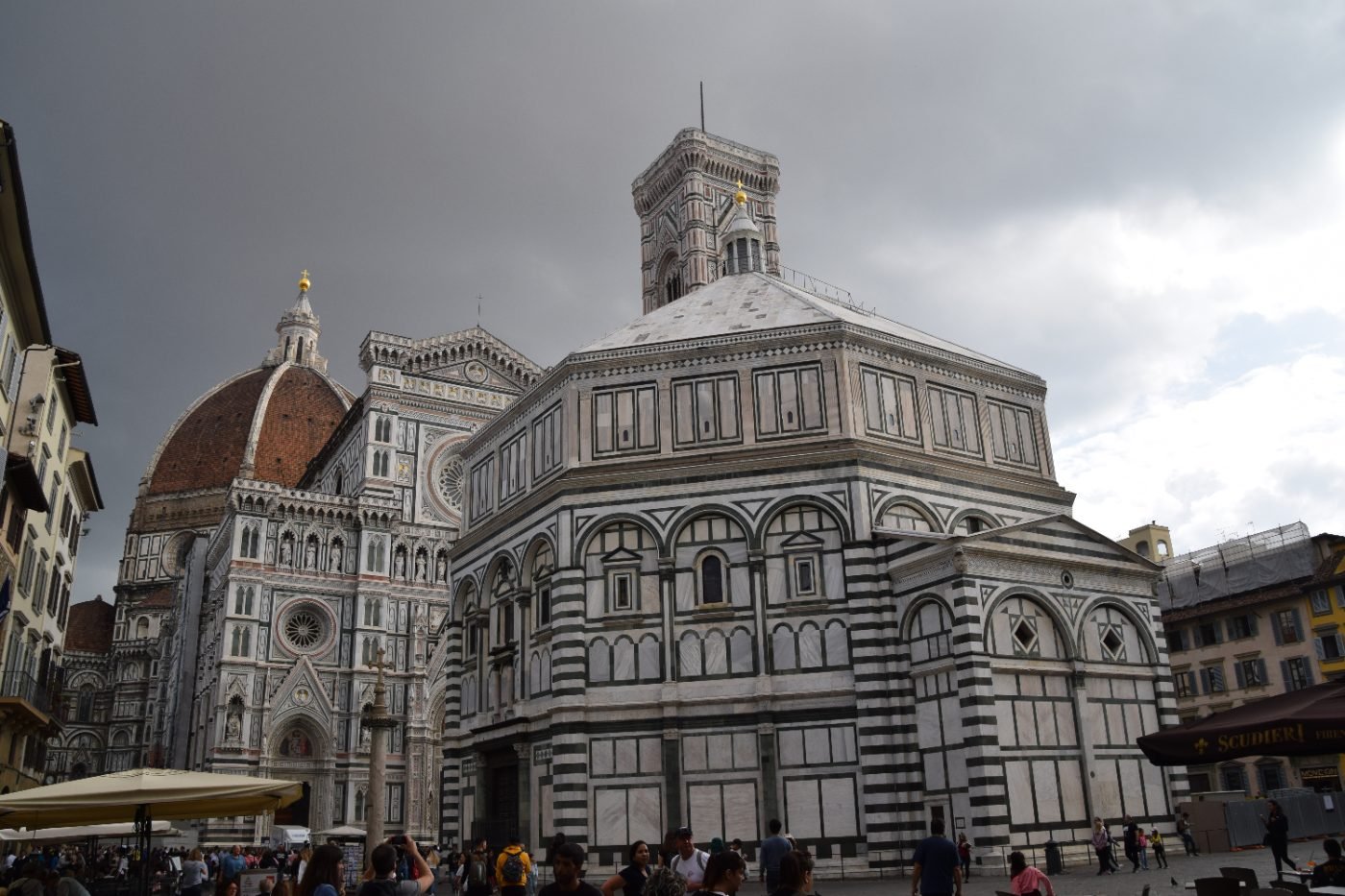
From Roman colony to medieval republic
Florence began as Florentia, a Roman colony founded in 59 BC to settle veteran soldiers, laid out on the classic Roman grid still visible in parts of the historic centre today, as chronicled in depth on Florence’s Wikipedia entry. By the 12th century it had become a self-governing medieval commune, growing wealthy on the wool trade and, later, banking.
The Medici family and the birth of modern banking
The Medici Bank, founded in 1397 by Giovanni di Bicci de’ Medici, became one of the most prosperous and respected institutions in Europe, pioneering accounting practices still recognisable today. That wealth translated directly into art patronage: three generations of Medici funded painters, sculptors and architects on a scale no other Italian city could match, and the family later produced four popes and two queens of France, Catherine and Marie de’ Medici.
Trace their legacy across the city in our guide to the Medici coat of arms, or discover the family’s darker political history in the Pazzi Conspiracy, the 1478 assassination plot against the Medici carried out inside the Duomo itself.
Brunelleschi’s dome and the birth of Renaissance architecture
Completed in 1436, Filippo Brunelleschi’s dome for the Cathedral of Santa Maria del Fiore was, at the time, the largest masonry dome ever built, engineered without the wooden scaffolding then thought essential. It remains the largest brick dome in the world and is widely considered the starting point of Renaissance architecture.
Why here, and not another Italian city?
A rare convergence of banking wealth, competitive artisan guilds, and patrons willing to fund radical experimentation gave Florence an outsized cultural influence. Dante Alighieri, born in Florence in 1265, wrote much of what would define literary Italian; two centuries later Niccolò Machiavelli wrote The Prince in the city, shaping Western political theory. The term “Renaissance” itself was popularised by the 16th-century Florentine artist and writer Giorgio Vasari, who also designed the Uffizi.
Want to see where this history actually happened? Our guide to Florence’s best private tours covers the museums and landmarks where these events unfolded, and this small-group Uffizi Gallery tour with Vasari Corridor access puts you directly among the art this era produced.
Frequently asked questions
Why is Florence famous?
Florence is considered the birthplace of the Renaissance, home to masterpieces by Michelangelo, Botticelli and Brunelleschi, and the political and financial cradle of modern banking under the Medici family.
When was Florence’s golden age?
Broadly the 14th to 16th centuries, coinciding with Medici patronage and the flourishing of Renaissance art, architecture and humanist philosophy.
Who were the Medici family?
A Florentine banking dynasty who rose to political and cultural dominance from the 14th century, funding major Renaissance art and architecture and eventually producing four popes and two queens of France.
What makes Brunelleschi’s dome significant?
Completed in 1436 without traditional wooden scaffolding, it was the largest masonry dome built up to that time and remains the largest brick dome in the world today.
Is Florence still an important city culturally?
Yes — its historic centre has been a UNESCO World Heritage Site since 1982, and it remains one of the world’s most visited destinations for art and architecture.
Let our concierge design a private route through Florence’s Renaissance landmarks, paced to linger exactly where history comes alive — see how a tailored itinerary is built. If a custom package isn’t what you need right now, the GetYourGuide option above is a solid ready-made alternative.
Want a guidebook to take with you? This Florence & Tuscany travel guide on Amazon is a handy companion for planning your own route through the city.
As an Amazon Associate I earn from qualifying purchases.

 English
  Italiano
  日本語
日本語  العربية