
The Jewish Quarter of Florence: A Living History Tour
Few itineraries in Florence carry the emotional weight of the Jewish Quarter tour — a walk through a living community whose story is inseparable from the city’s own, from Medici patronage to the sombre stumbling stones now set into its pavements.
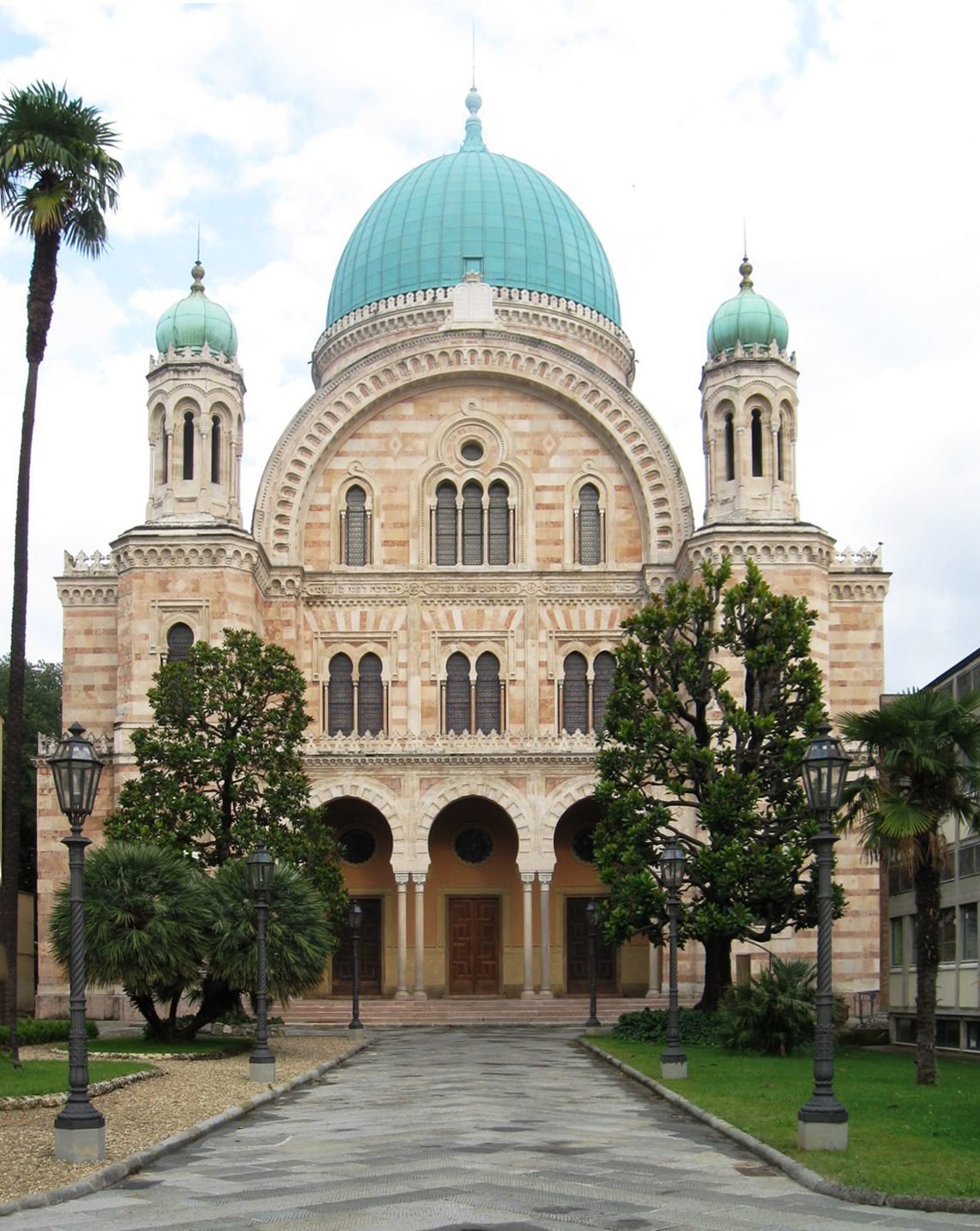
A history intertwined with the Medici
Florence’s Jewish community has a documented history stretching back centuries, closely tied to the fortunes of the Medici family. Cosimo the Elder and Lorenzo the Magnificent maintained relatively favourable relations with the community, while Cosimo I later established Florence’s ghetto — the third to be created in Italy, as detailed in historical studies of the history of Jews in Italy. The old ghetto once stood where Piazza della Repubblica opens today.
Among the quarter’s more moving modern additions are its “pietre d’inciampo” — stumbling stones by artist Gunter Demnig, set into the pavement outside the former homes of Holocaust victims, part of a wider European memorial project.
Three ways to experience the Jewish Quarter
The Essential Walk (3 hours) — Via dei Ramaglianti (once Via dei Giudei) in the Oltrarno, Piazza della Signoria, Orsanmichele, Piazza della Repubblica (the former ghetto), the Gates of Paradise at the Baptistery, and the Synagogue of Florence.
The Extended Walk (4 hours) — All of the above, with a visit to the Accademia Gallery to see Michelangelo’s David.
The Full-Day Experience (6 hours) — The extended route, with a kosher lunch at Ruth’s or Ba’ Ghetto, two of Florence’s most respected kosher tables.
The outdoor route runs daily; the Synagogue is not open for visits on Saturdays or Jewish holidays, and the Accademia Gallery is closed on Mondays.
Continue exploring Florence’s themes and hidden corners — see Dante’s footsteps on a poets’ walking tour or Val d’Orcia’s three Renaissance towns.
Frequently asked questions
Is the Florence Synagogue open every day?
No — it is closed to visitors on Saturdays and on Jewish festivities, so tours including the Synagogue are scheduled around this calendar.
What are the “pietre d’inciampo” seen on this tour?
Brass “stumbling stones” set into the pavement by artist Gunter Demnig, each marking the former home of a Holocaust victim — a quiet, powerful act of remembrance found throughout the quarter.
Our concierge is glad to arrange any of these three itineraries, including a reserved kosher lunch, tailored to your schedule and the Synagogue’s calendar.
Prefer this experience arranged privately for you? Our tailored private tours can be shaped around this theme specifically — or, if a bespoke itinerary isn’t what you need right now, the ready-made option below is a dependable alternative.
Continue the story in person: this highly-rated small-group Uffizi Gallery tour with Vasari Corridor access is one of the best ways to see the art and history of Florence up close — and a practical choice if a fully custom itinerary isn’t in your budget this time.
Want a guidebook to take with you? This Florence & Tuscany travel guide on Amazon is a handy companion for planning your own route through the city.
As an Amazon Associate I earn from qualifying purchases.

 English
  Italiano
  日本語
日本語  العربية